
Introduction
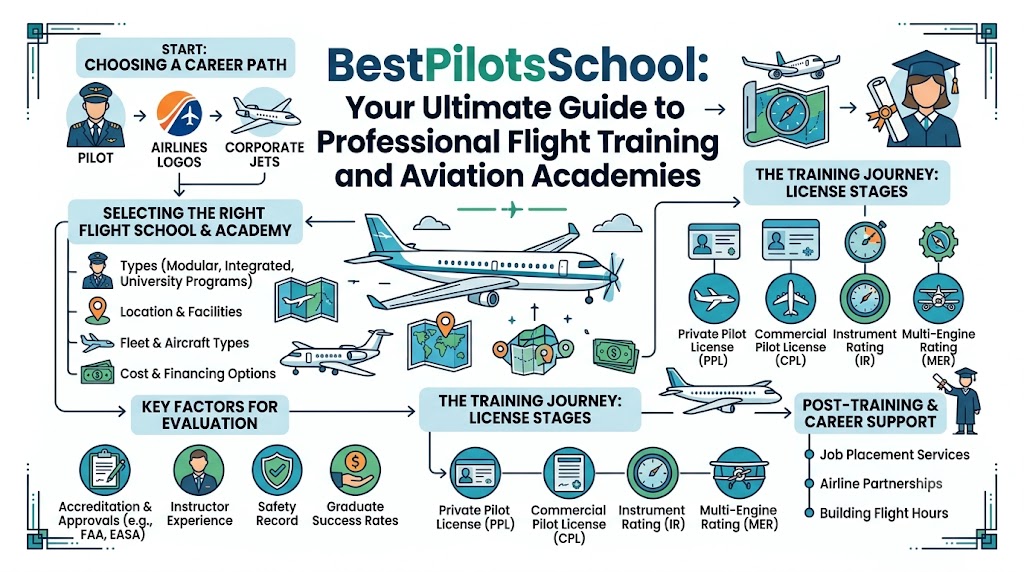
Embarking on a journey into aviation begins with a single critical choice: finding the right place to learn. Whether you are looking for the best pilot schools to earn your private license or advanced institutions for a career in the skies, having accurate information matters. Navigating through countless brochures, flight hours, and licensing requirements can easily feel overwhelming for any beginner.
Fortunately, proper research helps you filter out low-quality programs and zero in on institutions that deliver real value. Professional flight training demands dedication, financial investment, and the right mentorship to ensure you reach the flight deck safely. By understanding what makes a premier aviation center stand out, you can set yourself up for long-term success from day one.
Why Choosing the Right Pilot School Matters
Your choice of training facility directly influences your safety habits, technical proficiency, and overall employability as an aviator. Top-tier institutions provide meticulously maintained aircraft, experienced instructors, and structured syllabi that go far beyond minimum legal requirements. When you train at a respected facility, major airlines notice the quality of your foundational education and rigorous checkride preparation.
Furthermore, a supportive learning environment keeps your motivation high when challenging ground school topics or complex weather theory tests arise. Selecting an inferior program just to save a minor amount of money often leads to delayed certifications and higher overall expenses later. Investing your time and resources into reputable best flight schools ensures that your career takes off on solid, reliable wings.
Understanding Different Types of Flight Schools
Aviation education generally falls into two distinct categories: Part 61 and Part 141 flight schools, each offering unique structural advantages. Part 61 training provides unmatched scheduling flexibility, allowing students to tailor their flight lessons around existing jobs or personal commitments. This relaxed pace works wonderfully for recreational flyers or individuals balancing multiple responsibilities while pursuing certification.
Conversely, Part 141 programs follow strict, FAA-approved curricula designed for students seeking structured, accelerated pathways toward professional careers. These structured environments demand full-time dedication, regular attendance, and adherence to rigorous testing milestones established by the institution. Comparing these structural options helps you align your personal schedule and learning style with the right educational model.
Commercial Pilot License Training Explained
Transitioning from a private pilot to a professional aviator requires undergoing rigorous commercial pilot license training to master advanced aircraft maneuvers. During this phase, students learn complex aircraft systems, high-altitude operations, precision navigation, and commercial cross-country flight planning. Building precise control and confidence under varying weather conditions remains the primary objective of every aspiring commercial aviator.
Additionally, candidates must accumulate a specific number of flight hours while mastering commercial maneuvers like lazy eights, chandelles, and steep spirals. Instructors push you to develop sharp situational awareness and precise decision-making skills that are vital for future airline operations. This training serves as the definitive bridge between recreational flying and a lucrative, professional career in commercial aviation.
How to Compare the Best Pilot Schools
Comparing different flight academies requires looking past flashy marketing materials to evaluate fleet quality, instructor experience, and safety records. You should always inspect the training aircraft to ensure they feature modern avionics and undergo regular, uncompromising maintenance checks. A modern glass-cockpit fleet prepares you seamlessly for advanced regional and mainline airline operations.
Instructor turnover rate is another crucial metric; schools with experienced, career-focused flight instructors usually provide much better mentorship and consistency. Requesting a tour, talking to current students, and sitting in on ground school classes can reveal invaluable insights about a school’s culture. Making a well-rounded comparison protects your financial investment and ensures a positive, productive learning journey.
Best Flight Schools Should Match Your Career Plan
Every aspiring aviator holds unique career aspirations, ranging from bush flying and flight instruction to major international airline captain positions. Therefore, the best flight schools for your friend might not necessarily fit your specific professional goals or long-term lifestyle timeline. If your ultimate dream involves flying wide-body jets, you need an academy with strong airline direct-entry partnerships.
Conversely, if you prefer regional cargo operations or specialized aerial photography, a localized commercial program might serve your immediate needs better. Aligning your school choice with your ultimate career destination prevents wasted time, unnecessary cross-training, and redundant financial expenses along the way. Always map out your five-year and ten-year aviation goals before signing any long-term training contracts.
What Makes the Best Commercial Pilot Training Schools Different?
The best commercial pilot training schools distinguish themselves through advanced simulator technology, dedicated career placement cells, and structured airline pathways. These elite institutions invest heavily in high-fidelity flight simulation devices that allow students to safely practice emergency procedures and instrument approaches. Such advanced training technology builds unshakeable muscle memory and sharp technical competence long before stepping into a real cockpit.
Moreover, these premier schools often maintain direct recruitment pipelines with regional carriers, giving graduating students a distinct employment advantage. Industry networking events, career fairs, and dedicated alumni mentorship programs further enhance your post-graduation job search prospects significantly. Choosing an elite commercial training facility gives you a massive head start in a highly competitive job market.
How Much Does Pilot Training Cost?
Flight training represents a major financial commitment, with total costs varying widely based on location, aircraft type, and individual progress. Budgeting for your license requires accounting for aircraft rental fees, instructor hourly rates, ground school materials, FAA medical exams, and checkride fees. Unforeseen setbacks like weather delays or needing extra practice hours can also impact your overall estimated budget.
Exploring financing options, aviation scholarships, student loans, and modular payment plans can make professional flight training much more manageable. Many top-tier academies offer structured financial assistance or partnered loan programs designed specifically for career-track aviation students. Transparent financial planning ensures you can complete your training uninterrupted from your first flight to your final commercial checkride.
Integrated vs. Modular Pilot Training
Choosing between an integrated or modular training path depends heavily on your available budget, timeline, and personal lifestyle preferences. Integrated courses offer an intensive, full-time zero-to-hero approach where students progress through all licenses in a structured, uninterrupted sequence. This streamlined method appeals to individuals seeking the fastest possible transition from student status to a airline cockpit.
On the other hand, modular training lets you complete your licenses step-by-step at your own pace, paying as you go along. This flexible approach allows students to work part-time or save money between ratings, reducing upfront financial stress. Both pathways lead to the same commercial license, provided you choose reputable training providers for each individual phase.
Finding the Best Pilot Schools in the World
Global aviation aspirants frequently look beyond domestic borders to discover some of the best pilot schools in the world for comprehensive training. International flight academies in regions like the United States, Europe, and South Africa offer diverse airspace experiences and favorable flying weather. Training internationally also exposes you to international aviation regulations and multi-cultural flight deck environments.
However, moving abroad for flight school requires careful planning regarding visa requirements, license conversions, and living accommodations in a foreign country. Researching local aviation authority standards ensures that your international license can be easily validated when you return to your home country. Exploring global options opens up incredible opportunities to experience unique flying environments and world-class instructional methodologies.
How to Evaluate a Pilot Training Academy
Evaluating a prospective pilot training academy requires a close examination of their safety culture, student pass rates, and fleet availability. Ask the chief flight instructor for their first-time pass rates on FAA or local civil aviation authority checkrides. A consistently high pass rate reflects superior instructional quality and rigorous internal staging checks.
Additionally, inquire about aircraft-to-student ratios to ensure you will not face endless scheduling bottlenecks when booking planes for lessons. A shortage of available aircraft can stretch a six-month training program into a frustrating two-year ordeal. Thoroughly vetting these operational details guarantees a smooth, efficient path toward your commercial pilot certification.
Choosing an Airline Pilot Training Academy
An elite airline pilot training academy focuses heavily on multi-crew cooperation, jet transition training, and professional airline standard operating procedures. These specialized academies replicate airline cockpit environments to prepare students for the realities of modern multi-engine transport category aircraft. Training in this professional atmosphere minimizes the culture shock when you finally transition to a real commercial airline fleet.
Furthermore, look for academies that incorporate upset prevention and recovery training into their core curriculum to maximize flight safety. Mastering unusual attitude recoveries in real aircraft or advanced simulators instills absolute confidence during critical in-flight emergencies. Selecting an academy with airline-focused training standards positions you as a polished, highly competent candidate during airline interviews.
How to Identify the Best Flying Schools
Finding the best flying schools involves looking for transparent pricing structures, well-maintained facilities, and positive word-of-mouth community reputation. Speak with recent graduates on aviation forums or LinkedIn to gather honest, unfiltered feedback about their experiences with the school. Genuine student testimonials often reveal critical details about management responsiveness and hidden facility fees.
A transparent flight school will gladly provide a detailed itemized breakdown of estimated costs and realistic timelines before you enroll. They prioritize student success over aggressive sales tactics, ensuring you receive honest guidance throughout your flight training journey. Trustworthy schools stand proudly behind their safety records and student achievement milestones.
The Importance of Student Reviews
Real student reviews and peer feedback serve as an invaluable compass when filtering through hundreds of online aviation academy listings. Authentic reviews highlight recurring issues such as instructor shortages, poor maintenance scheduling, or unexpected billing practices that brochures conveniently omit. Reading both glowing praise and constructive criticism gives you a balanced, realistic perspective on what to expect.
At the same time, keep a critical eye out for overly generalized marketing hype or suspicious patterns of uniform five-star reviews. Cross-referencing reviews across independent aviation forums, social media groups, and pilot communities ensures you make an informed choice. Listening to those who walked the path before you is one of the smartest ways to protect your investment.
Using BestPilotsSchool to Research Your Options
BestPilotsSchool simplifies your aviation research journey by gathering comprehensive data on top flight academies, training costs, and licensing pathways. Instead of scouring dozens of disparate websites, you can compare locations, fleets, and course structures all in one convenient place. This centralized resource empowers aspiring aviators to make confident, well-informed educational decisions quickly.
Whether you need guidance on commercial pilot license training or want to compare international aviation academies, the platform supports your goals. Exploring curated guides and structured comparisons helps you find the precise training environment that matches your ambitions. Your journey toward a rewarding career in the skies starts with having the right information at your fingertips.
Common Mistakes Students Make
Many aspiring aviators make the mistake of choosing a flight school solely based on the cheapest upfront advertised hourly rates. Hidden costs, poorly maintained aircraft, and frequent instructor changes often end up doubling your actual training expenses and time. Prioritizing quality, safety, and structured progression always saves money and frustration in the long run.
Another frequent error is failing to secure an FAA or aviation medical certificate before spending money on ground school or enrollment fees. Certain medical conditions can disqualify you from commercial flying, making an early medical examination an absolute prerequisite. Avoiding these common pitfalls ensures your flight training experience remains smooth, productive, and financially sound.
Frequently Asked Questions About BestPilotsSchool
What is BestPilotsSchool and how does it help aspiring aviators?
BestPilotsSchool is a comprehensive informational platform designed to help future pilots discover, compare, and evaluate top flight schools and aviation training academies worldwide.
How do I choose the right flight school for my career goals?
You should evaluate flight schools based on aircraft fleet quality, instructor experience, safety records, structured training paths, and direct airline partnership opportunities.
What is the difference between Part 61 and Part 141 flight schools?
Part 61 offers flexible scheduling suitable for part-time learners, while Part 141 features a strict, accelerated curriculum approved for full-time professional career seekers.
How much does complete commercial pilot training typically cost?
Total costs vary widely depending on your chosen location, school type, and individual learning pace, requiring careful budgeting for aircraft rentals, instruction, and exams.
Are international flight schools a good option for training?
International academies offer diverse flying weather and unique global experience, provided their licenses can be easily validated by your home country’s aviation authority.
Why is an aviation medical certificate required before training?
An aviation medical certificate ensures you meet legal health requirements for flying before you invest substantial time and money into flight training programs.
What is included in commercial pilot license training?
This training covers advanced maneuvers, complex aircraft systems, high-altitude operations, precision navigation, and required flight hour accumulation for professional careers.
How can I verify if a flight school’s reviews are trustworthy?
You can cross-reference reviews across independent aviation forums, social media pilot communities, and by speaking directly with recent graduates of the program.
What is the benefit of an airline pilot training academy?
These academies focus on multi-crew cooperation, jet transition training, and professional standard operating procedures that mirror real airline cockpit environments.
How does BestPilotsSchool make aviation research easier?
It centralizes detailed data on global training institutions, license pathways, and cost comparisons so you can make confident, informed career decisions.
Final Thoughts
Stepping into the world of professional aviation is an exhilarating adventure that opens doors to incredible career opportunities across the globe. By conducting thorough research, understanding your licensing options, and selecting a reputable training academy, you lay a rock-solid foundation for success. Remember that patience, dedication, and safety must remain your constant companions throughout every phase of your flight training journey. Use the insights and resources available here to take your first confident step toward commanding the skies.
What specific career path in aviation excites you the most, and which region are you considering for your flight training?

